I/O Parallelism — Thread-per-Request vs Event Loop
📰 Medium · Programming
Learn to optimize I/O parallelism using thread-per-request vs event loop approaches for efficient server-side handling
Action Steps
- Analyze the performance of thread-per-request models using tools like Apache Bench
- Implement an event loop using libraries like Node.js or asyncio to handle multiple connections
- Compare the scalability of both approaches under heavy loads
- Configure and optimize the event loop for better resource utilization
- Test the robustness of the event loop against concurrent requests
Who Needs to Know This
Backend engineers and software developers can benefit from understanding the trade-offs between thread-per-request and event loop architectures to design scalable server-side systems
Key Insight
💡 Event loops can handle multiple connections with a single thread, improving scalability and reducing resource overhead
Share This
🚀 Optimize I/O parallelism with thread-per-request vs event loop! 🤔 Which approach scales better? 📊
Full Article
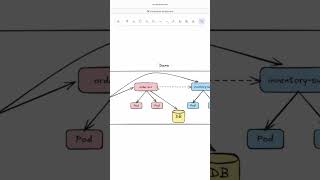
Paper 32 covered the server side: one event loop thread servicing many inbound connections. This paper covers the other direction — a… Continue reading on Medium »
Related Videos





⚡
You're 1 lesson closer to your goal
Sign in free and we'll turn this lesson into a structured roadmap — starting with ⚡30 free Sparks for your first AI explanation or skill path.
Create free account →No credit card required.
 DeepCamp AI