GenosDB: Introducing Oplog-Driven Intelligent Delta Sync and Full-State Fallback
📰 Dev.to · Esteban Fuster Pozzi
Learn about GenosDB's Oplog-Driven Intelligent Delta Sync for efficient P2P synchronization
Action Steps
- Implement Oplog-Driven Intelligent Delta Sync using GenosDB to reduce data transfer
- Configure full-state fallback for handling network failures
- Test delta sync with various data sets to optimize performance
- Compare the efficiency of delta sync with full-state replication
- Apply GenosDB to real-world P2P synchronization use cases
Who Needs to Know This
Developers and engineers working on distributed systems and P2P synchronization can benefit from this technology to improve efficiency and reduce waste
Key Insight
💡 Oplog-Driven Intelligent Delta Sync reduces data transfer and improves P2P synchronization efficiency
Share This
🚀 Introducing GenosDB: Efficient P2P sync with Oplog-Driven Intelligent Delta Sync! 📈
Key Takeaways
Learn about GenosDB's Oplog-Driven Intelligent Delta Sync for efficient P2P synchronization
Full Article
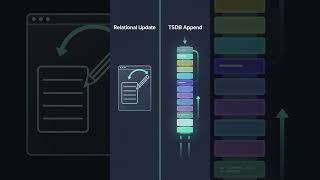
Full-state replication is the simplest approach to P2P sync — and the most wasteful. Every...



 DeepCamp AI