Facial Recognition Is Spreading Everywhere
📰 IEEE Spectrum
Learn how facial recognition technology works and its limitations, including false positives and false negatives, and why it matters for privacy and security
Action Steps
- Build a simple facial recognition model using a deep learning framework like TensorFlow or PyTorch to understand its basics
- Run experiments to test the model's accuracy and identify potential false positives and false negatives
- Configure the model to optimize its performance and minimize errors
- Test the model with diverse datasets to ensure its fairness and robustness
- Apply ethical considerations to the development and deployment of facial recognition technology
Who Needs to Know This
Data scientists, software engineers, and product managers working on AI-powered projects, particularly those involving computer vision and facial recognition, can benefit from understanding the technology's limitations and potential biases
Key Insight
💡 Facial recognition technology is not perfect and can produce false positives and false negatives, which can have significant consequences for individuals and society
Share This
🚨 Facial recognition tech is spreading, but it's not foolproof. Understand its limitations and potential biases to ensure responsible development and use 🤖
Key Takeaways
Learn how facial recognition technology works and its limitations, including false positives and false negatives, and why it matters for privacy and security
Full Article
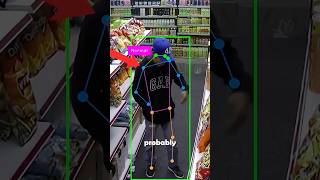
Facial recognition technology (FRT) dates back 60 years. Just over a decade ago, deep-learning methods tipped the technology into more useful— and menacing —territory. Now, retailers, your neighbors, and law enforcement are all storing your face and building up a fragmentary photo album of your life. Yet the story those photos can tell inevitably has errors. FRT makers, like those of any diagnostic technology, must balance two types of errors: false positives and false negatives. There are three





 DeepCamp AI