Building Business Intelligence Tools with LLM
📰 Dev.to AI
Learn to build business intelligence tools with large language models, enabling interactive and language-driven interfaces for analysts and operators
Action Steps
- Design a prompt engineering strategy to handle complex queries
- Implement structured output constraints to generate accurate and relevant results
- Build an inference backend to handle long schemas and multi-step queries
- Integrate large language models with existing BI infrastructure
- Test and refine the BI agent with real-world data and user feedback
Who Needs to Know This
Data analysts, business intelligence developers, and product managers can benefit from this knowledge to create more intuitive and user-friendly BI tools
Key Insight
💡 Large language models can revolutionize business intelligence by enabling interactive, language-driven interfaces
Share This
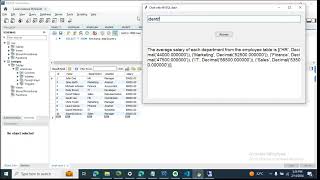
📊💡 Build interactive BI tools with LLMs! Ask questions in plain English, get structured answers & charts
Key Takeaways
Learn to build business intelligence tools with large language models, enabling interactive and language-driven interfaces for analysts and operators
Full Article
Business intelligence is shifting from static dashboards to interactive, language-driven interfaces. Instead of learning SQL or navigating drag-and-drop builders, analysts and operators can ask questions in plain English and receive structured answers, generated charts, and narrative summaries. Large language models make this possible, but building a reliable BI agent requires careful prompt engineering, structured output constraints, and an inference backend that handles long schemas and mul



 DeepCamp AI