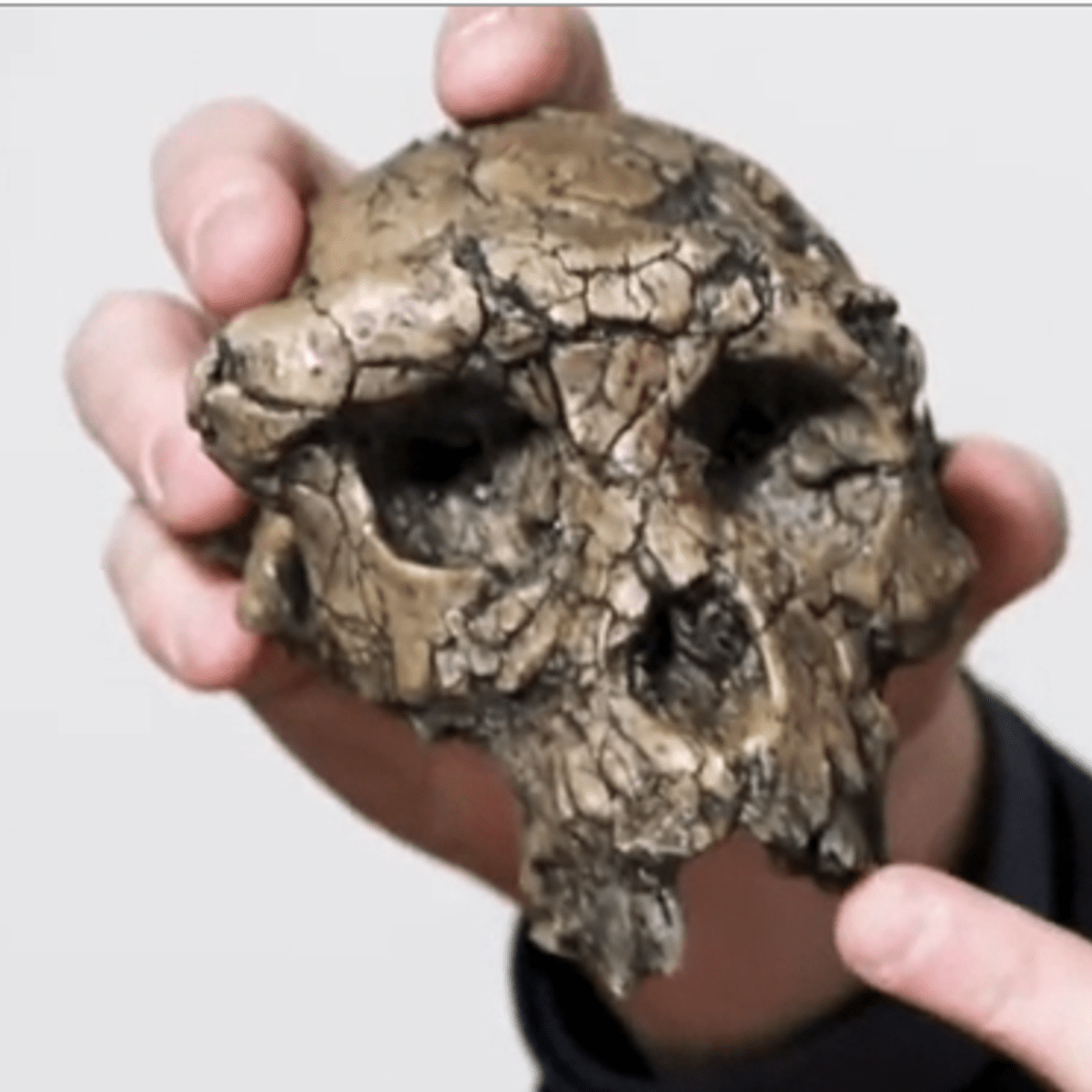
Mechanics & Origins of Bipedalism
This course will take you through the kinematics of human locomotion including modeling upright walking as a controlled fall, how muscles and bones work together to move individuals using a series of joints and levers, and how the abductor mechanism works to solve the “seesaw problem” of side-to-side wobbling. You will also understand how paleoanthropologists look for musculoskeletal adaptations in fossils to reconstruct how something in the past moved. You’ll explore how musculoskeletal adaptations correlate with bipedalism, as well as what significance these clues hold for telling us about h…
Watch on Coursera ↗
(saves to browser)

 DeepCamp AI